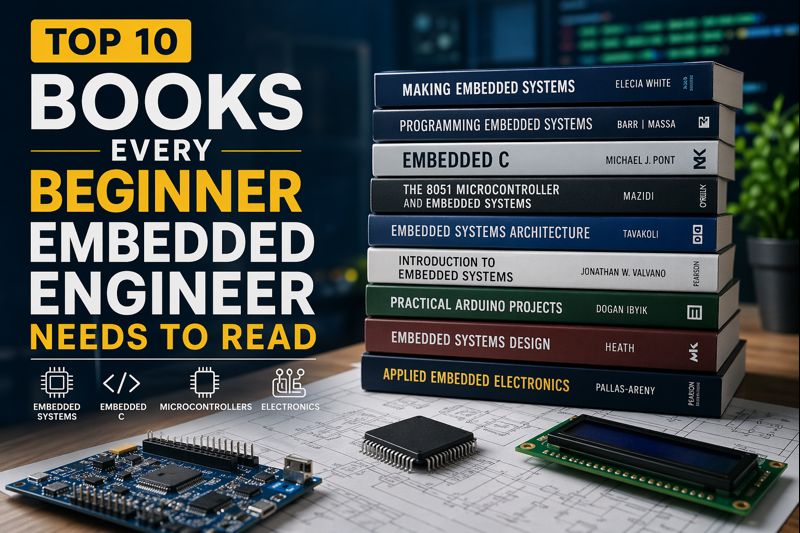
Discover the top 10 embedded systems books for beginners. Learn Embedded C, microcontrollers, and electronics with expert-recommended books. Includes Amazon links.
Embedded systems engineering is a rapidly growing field powering modern technology such as IoT devices, automotive systems, robotics, and consumer electronics. For beginners, choosing the best embedded systems books is crucial to building a strong foundation in both software and hardware concepts.
One of the best starting points is Making Embedded Systems by Elecia White. This book focuses on practical design approaches, debugging techniques, and real-world engineering challenges. It’s ideal for understanding how embedded systems function beyond theory.
Another essential read is Programming Embedded Systems by Michael Barr and Anthony Massa. It explains how software interacts with hardware, covering interrupts, memory management, and system-level programming—key skills for any embedded engineer.
To master programming, Embedded C by Michael J. Pont is one of the best Embedded C books for beginners. Since C is the backbone of embedded development, this book helps you write efficient and optimized firmware code.
A classic in the field is The 8051 Microcontroller and Embedded Systems by Muhammad Ali Mazidi. Although based on older hardware, it provides a strong understanding of registers, memory, and interfacing concepts applicable to modern systems.
For system-level understanding, Embedded Systems Architecture is highly recommended. It explains processor architecture, buses, and performance optimization, making it ideal for advancing beyond beginner level.
Another beginner-friendly option is Introduction to Embedded Systems by Jonathan Valvano, which introduces microcontrollers, peripherals, and real-time applications in a structured way.
Hands-on learning is equally important. Practical Arduino Projects allows beginners to apply concepts through real-world projects involving sensors and actuators—perfect for building practical skills.
Additionally, Embedded Systems Design covers system design methodologies and testing, while Applied Embedded Electronics strengthens your understanding of hardware fundamentals like circuits and power systems.
Finally, learning about real-time systems is essential. Understanding RTOS concepts like scheduling and multitasking prepares you for modern embedded development, especially in IoT and automation.
🚀 Why These Books Matter
These books collectively cover embedded C programming, electronics, microcontrollers, and system design, making them perfect for beginners. Combining these resources with hands-on practice will help you build strong fundamentals and prepare for advanced topics like firmware engineering and embedded AI.
| Image | Product | Features | Price |
|
Our Pick
1
 |
Making Embedded Systems: Design Patterns for Great Software |
Develop an architecture that makes your software robust in resource-constrained environments |
|
|
2
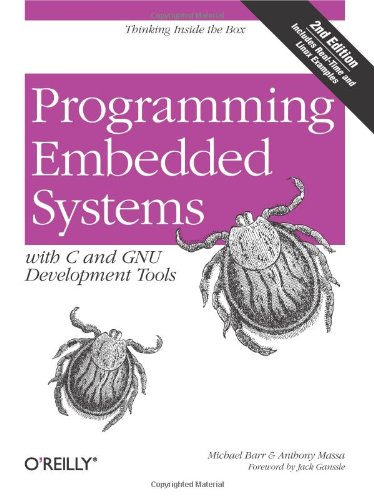 |
Programming Embedded Systems: With C and GNU Dev |
Intended for beginners familiar with C syntax, this guide explains how to read a schematic for a circuit board, write software for execution on an embedded system, test memory devices, interface with peripherals, and deal with interrupts. The second edition adds closing chapters on the eCos real-time operating system, the embedded Linux operating system, and optimization techniques. |
|
|
MUST
3
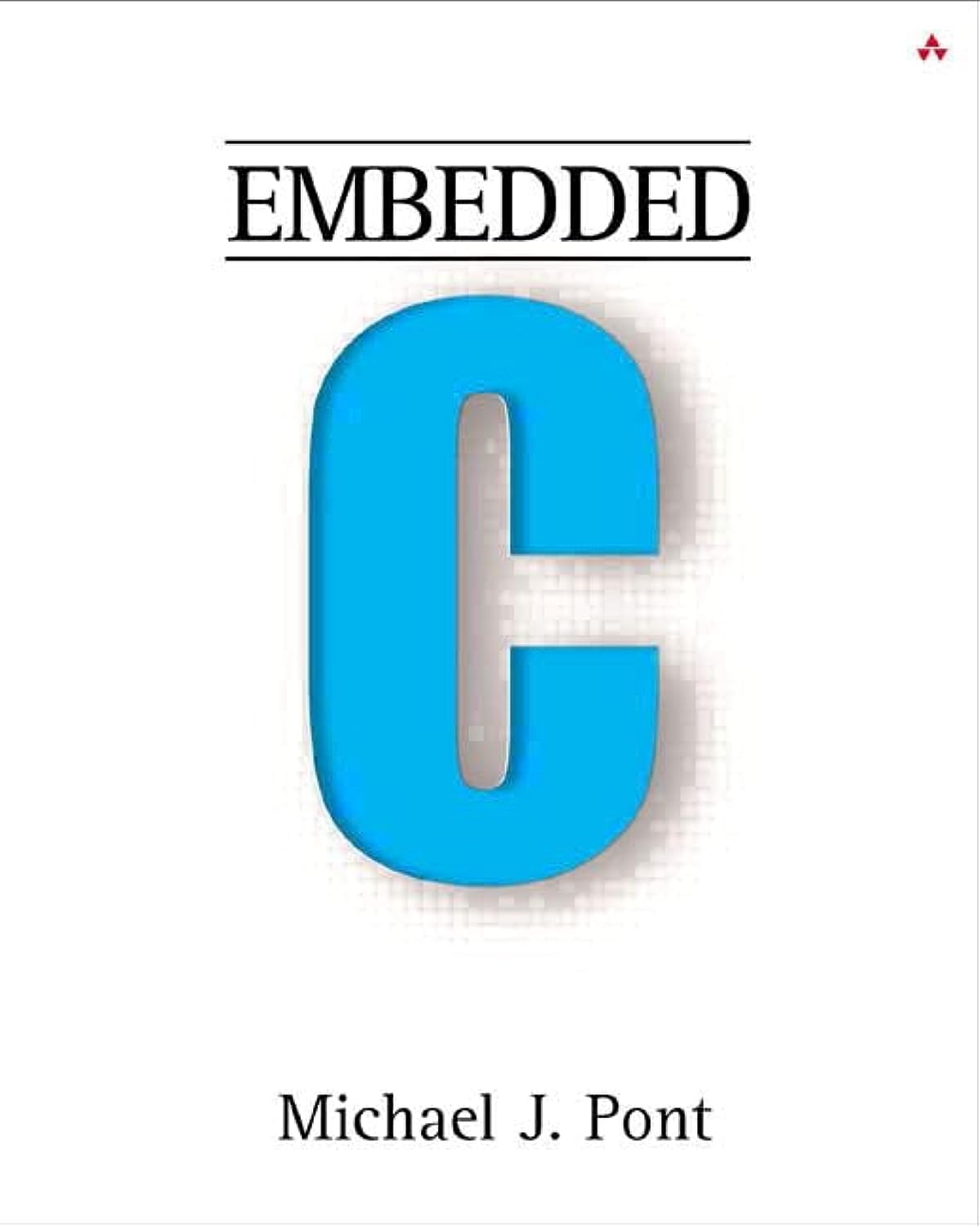 |
Embedded C |
For people who are about to write their first embedded program – or have been struggling to learn about this important area – this book will save weeks of effort. |
|
|
4
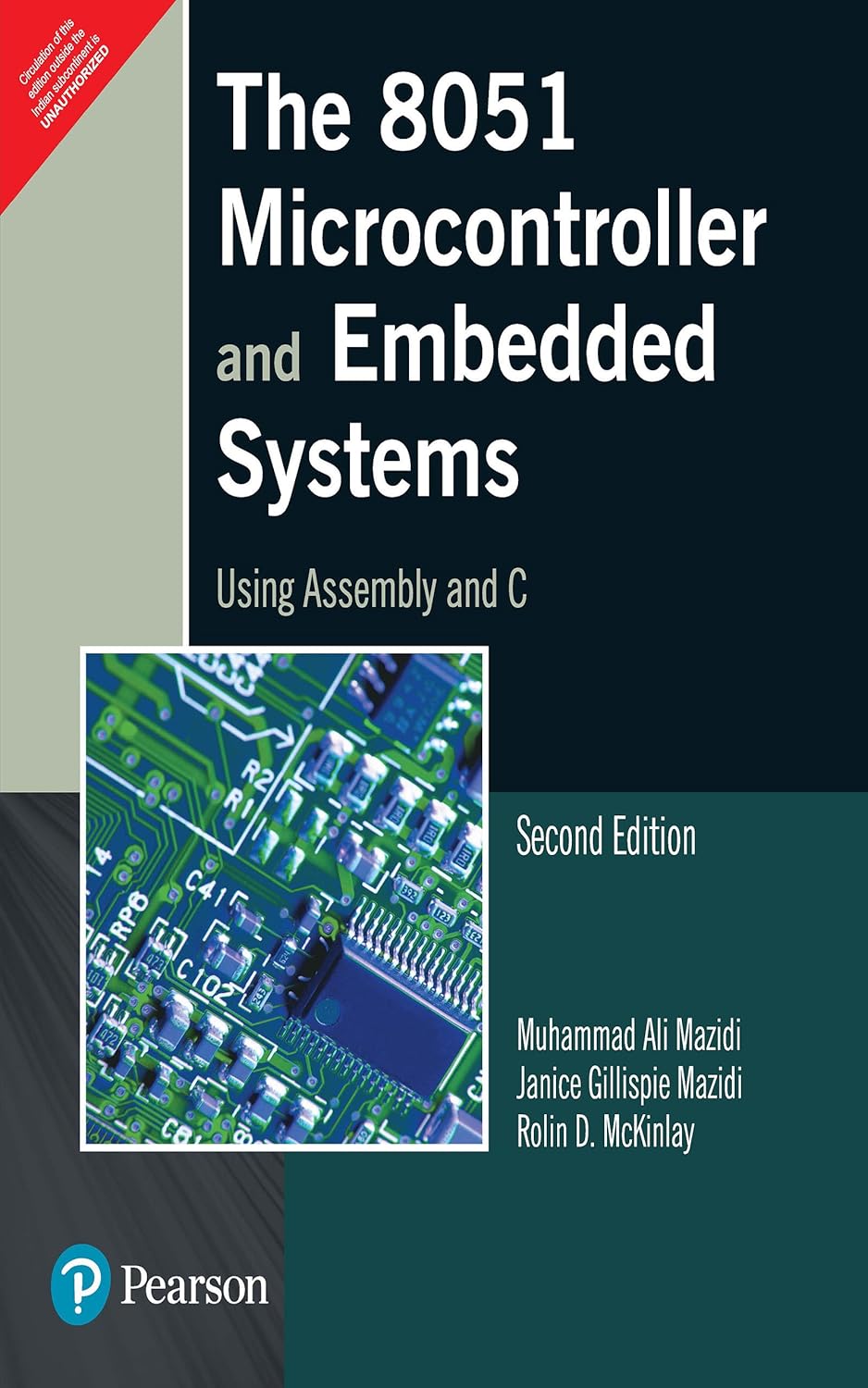 |
The 8051 Microcontroller and Embedded Systems Using Assembly and C |
This textbook covers the hardware and software features of the 8051 in a systematic manner.Using Assembly language programming in the first six chapters, in Provides readers with an in-depth understanding of the 8051 architecture.From Chapter 7, this book uses both Assembly and C to Show the 8051 interfacing with real-world devices |
|
|
5
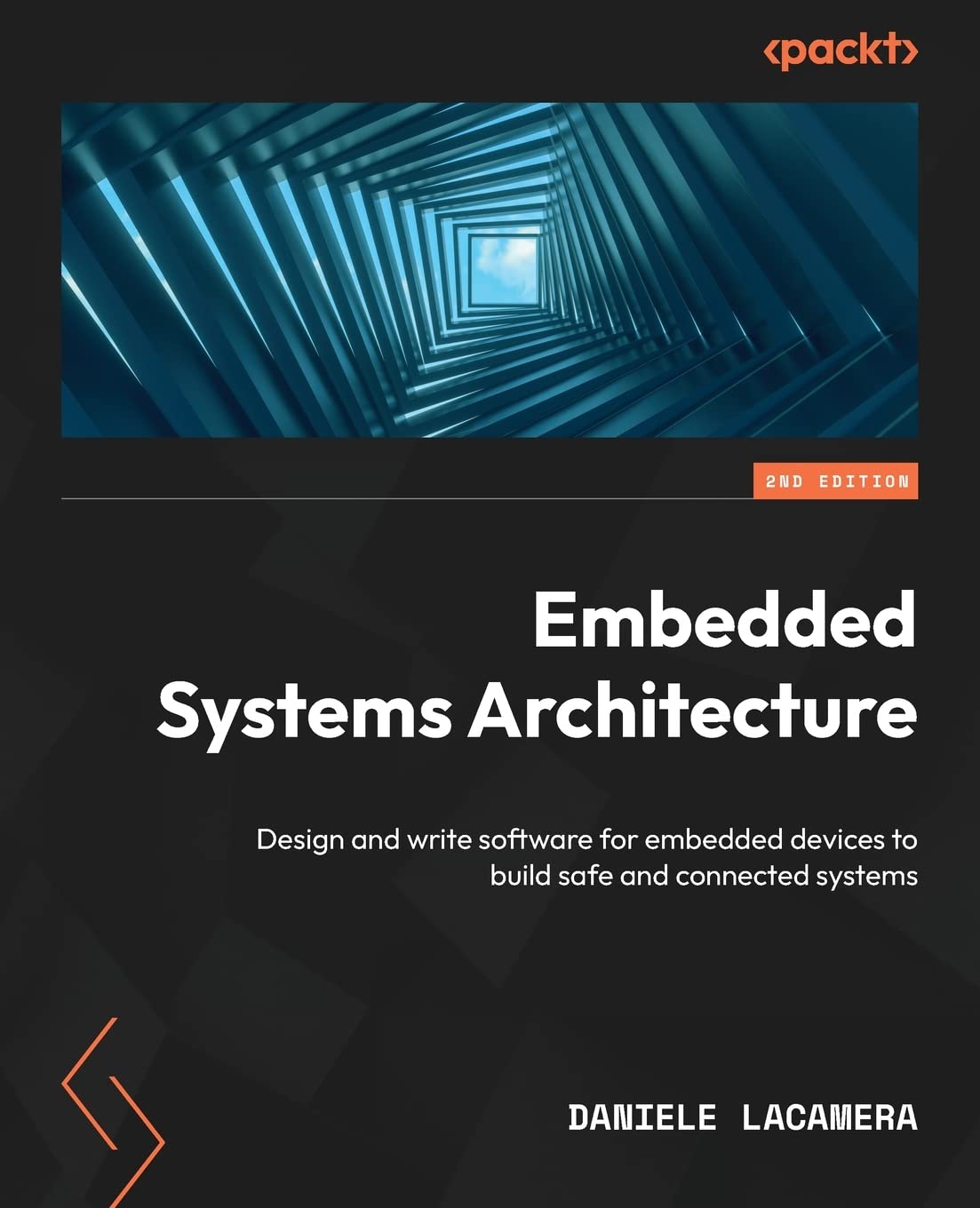 |
Embedded Systems Architecture: Design and write software for embedded devices to build safe and connected systems |
Identify and overcome challenges in embedded environments |

Great content! Keep up the good work!